
Wildlife Rescue Volunteer Opportunities in Virginia

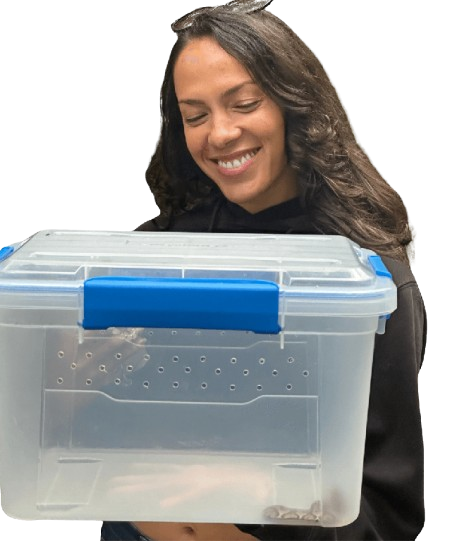
Woman holding plastic container showing possible wildlife rescue volunteer opportunities in Virgina

Volunteers are the backbone of Heart of Piedmont Wildlife Rescue. Each season, our wildlife rescue volunteer opportunities support the transport of 2-3 animals per day on average—sometimes as many as 5-8 through a series of coordinated trips. The more dedicated volunteers who join our team, the faster we can connect injured and orphaned wildlife with the care they need to survive.

Our wildlife rescue volunteer roles are varied and flexible. Every position plays a critical role in protecting Virginia’s native species, whether you’re helping transport animals, respond to hotline messages, or support our educational outreach programs.

If you’re looking to volunteer with a wildlife rescue in Virginia, our incredible team will help you find a role that suits your comfort level, skills, and availability.

Volunteer Roles Available at Heart of Piedmont Wildlife Rescue

Animal lovers and conservation enthusiasts can make a huge impact through one of our key wildlife rescue volunteer opportunities:

Animal Transport

Rescue Hotline Response

Both roles are essential to our work and come with training, guidance, and ongoing support.

1/2

Animal Transport Volunteers

Animal transport volunteers provide a crucial, time-sensitive service within our wildlife rescue network. You will help transport sick, injured, or orphaned wildlife to licensed rehabbers or wildlife hospitals so they can get the medical care they need to survive and thrive. 

  • We love when our animal transport volunteers can commit to at least one day a month, but it isn’t required
  • Transport requests vary by season and availability
  • In-person rescue classes + several days of rescue shadowing (depending on experience level)
  • Transporter training classes via Zoom to keep you knowledgeable and safe
  • Written guidelines focused on animal wellbeing and transporter safety
  • Transport gear, cleaning supplies, sheets/towels, and crates provided as needed
  • Rabies vaccine assistance for volunteers interested in rescuing bats, skunks, groundhogs, and other high-risk wildlife species
  • Age 18 or older (or have a signed parental release)
  • Must pass a background check
  • Access to your own vehicle (all sizes welcome; specified dimensions help us determine available crate space)
  • Valid driver’s license and active auto insurance

2/2

Rescue Hotline Volunteers

Rescue hotline volunteers are the first point of contact when someone reports wildlife in distress. You will assess the situation, provide guidance, and coordinate pickup and transportation—mostly through text.

  • No minimum time commitment; volunteers sign up for shifts through a shared Google calendar
  • Flexible shifts ranging from half days to full days
  • One-on-one training session
  • Several days of hotline shadowing
  • Direct line to knowledgeable rescuers and rehabilitators to help with identification and answer questions as needed
  • Internal guidance materials
  • Access to a shared database outlining what to do (and what not to do) in common hotline scenarios
  • Age 18 or older (or have a signed parental release)
  • Must pass a background check
  • Comfortable communicating clearly and calmly with the public (mostly over text)

Wildlife Rescue Volunteer Opportunities: Frequently Asked Questions

Volunteering with Heart of Piedmont Wildlife Rescue can be rewarding, challenging, and unpredictable. These FAQs address what you can expect before you apply.


At Heart of Piedmont Wildlife Rescue, we believe in full transparency. Wildlife rescue involves some level of risk. Animals could transmit zoonotic diseases or parasites and may emit an odor, defecate, or regurgitate during transport. As our volunteers like to say, “scat happens.” That’s why we provide guidance and safety measures to help you reduce these natural occurrences and protect your vehicle.Essentially, we believe the benefits of wildlife rescue outweigh the risks. (In fact, we’ve found that our own children and pets tend to cause more damage than the wildlife we transport!)


Unfortunately, we cannot currently provide vehicles or reimburse gas expenses. We hope to offer gas money assistance in the future if funding allows. Keep in mind that transportation expenses are tax-deductible in most cases.


For the safety and well-being of the animals, pets are not permitted in transport vehicles. However, children are welcome to accompany transporters if they can observe quietly without touching or disturbing the animals. Wildlife transportation offers a valuable educational experience for children and fosters respect for Virginia’s native wildlife.


Yes! We love to offer our animal transport volunteers the opportunity to be present for the release of the rehabilitated animals they transported. While releases are typically brief and uneventful, we greatly value your contribution to our cause. The impact our volunteers have on the animals they save is life-changing.


It’s important to acknowledge that not every story has a happy ending. On average, only about a third of transported animals are released back into the wild. We firmly believe that no living creature should endure a slow, painful death, and that humane euthanasia is sometimes the kindest treatment option to prevent suffering.


Absolutely. Transportation hours may count toward Master Naturalist requirements, corporate volunteer hours, and/or rehabilitator permitting.

Apply to Be a Wildlife Rescue Volunteer and Help Us Protect Virginia’s Native Species

Ready to make an impact? You don’t need prior wildlife experience; we provide training and support for every role. 

If you’re looking for wildlife rescue volunteer opportunities near you, please complete our volunteer application form below. For those outside our primary service area, we’ll do our best to connect you with another organization that needs your help!

Volunteer Form

Get in Touch With Us

When native wildlife needs help, choosing the next step matters. The contact options below will help you connect with the right resource quickly.


Contact our wildlife rescue hotline for the fastest response. Include your location, a brief description of the situation, and photos or videos (if possible) to receive guidance on animal rescue transportation.Text 804-491-9311 for help


Support wildlife rescue by helping behind the scenes or contributing to the transport and care of injured and orphaned animals.


For non-urgent questions and general inquiries, please reach out through our Contact page. We look forward to hearing from you!Contact Us
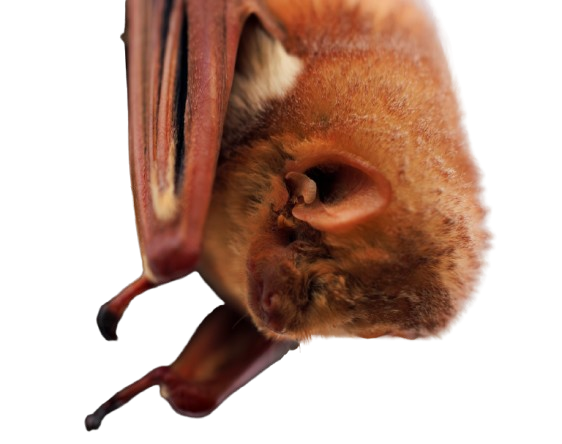
Bat hanging upside down.