Heart of Piedmont Wildlife Rescue (HOPW) is a volunteer-driven nonprofit in central Virginia delivering essential assistance to native wildlife in distress. Guided by the belief that every injured or orphaned animal deserves a second chance, our work centers four core commitments:
Through collaboration, education, and a shared commitment to local wildlife rescue efforts, we strive to act as thoughtful stewards for all living creatures.
Heart of Piedmont Wildlife Rescue was founded in 2025 by Jessica Newcomb and Michael Summers after firsthand wildlife rescue experience revealed a critical lack of coordinated resources.
While transporting injured and orphaned animals across the Piedmont region, our founders saw just how overwhelmed rehabilitators had become. They were under enormous pressure trying to balance animal care with the time-consuming logistics of rescue coordination. At the same time, insufficient public education on coexisting with wildlife left many well-meaning volunteers without a unified system to support them.
Heart of Piedmont Wildlife Rescue was created to address these challenges. We exist to support both wildlife and the rehabilitators who care for them by coordinating rescue efforts, arranging timely transport, and teaching compassion for all living creatures. By helping more animals get the quick, specialized care they need to return to the wild, we protect biodiversity and restore balance to local ecosystems.
Behind every rescue is a group of volunteers with a passion for animals and hands-on experience with wildlife transport and coordination. These are the individuals whose skills, time, and commitment make local wildlife rescue possible across the Piedmont region.
Jessica is a full-time mother of five and a part-time construction project scheduling consultant. Her involvement in wildlife rescue began when her eldest daughter inspired her to volunteer as a wildlife transporter. That experience quickly highlighted the considerable logistical difficulties impacting rescuers and rehabilitators. Jessica’s role as a rescuer quickly evolved, and she began building systems to bridge the gap between busy at-home rehabilitators and dedicated wildlife care facilities.
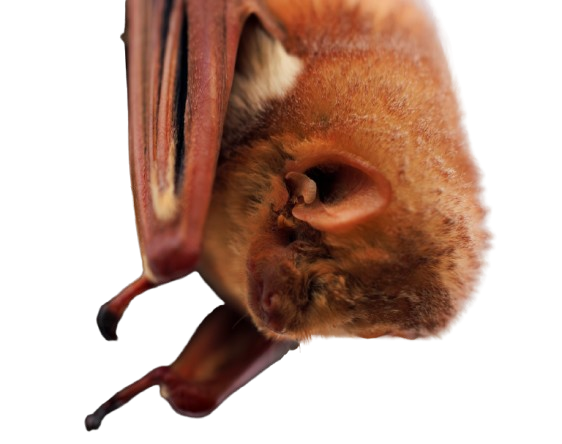
Michael is a Virginia Master Naturalist and wildlife rehabilitator. Always drawn to wildlife and conservation, he began rescuing wildlife in early 2024. Later that year, he pursued an apprenticeship after witnessing a desperate need for more wildlife rehabilitators. Michael specializes in bat rehabilitation and leads several educational programs in the Richmond area dedicated to bat conservation and public awareness.
Brittany holds a BS in Zoology from the University of Tennessee and brings 17 years of experience in exotic animal husbandry, animal care, and training. She previously worked for the Richmond SPCA and continues her animal welfare work through wildlife rescue. Our organization allows her to care for animals in need while balancing family life as a mom of two human children, three cats, and a Maltese.
Amberly brings a degree in Environmental Studies and a minor in Biology from Randolph Macon Woman's College. She has been working with animals for over 20 years, offering experience as a vet assistant, hospital manager, and animal control officer. She is a mom of 6 children who love helping her with animal care. Amberly’s goal is to improve the lives of domestic and wild animals through rescue efforts and education.
Together, our team works alongside licensed rehabilitators and partner organizations to ensure distressed wildlife receive the care they need to recover and return to the wild.
When you encounter wildlife that appears injured, orphaned, or ill, it can be difficult to know what to do. These answers address the most common questions we get about our organization and how to respond safely when you find an animal in need.
We assist most native wildlife species, with a few exceptions based on state guidelines and health and safety concerns for our volunteers and the general public. When appropriate, we refer cases to government agencies.
Animals we cannot care for include deer, bears, and non-native species. Here’s what you should know if you find these species in distress:
We assess the species, their injury, body condition, and other factors. If needed, we arrange transport for the animal to the most suitable licensed rehabilitator or care facility. Rehabilitated adults are released at the location where they were found. Juveniles are released in appropriate locations, often with their new siblings.
All of these situations require immediate professional evaluation:
Please text our wildlife rescue hotline at 804-491-9311. Include your location, a brief description of the situation, and photos or videos if possible. We typically respond to hotline messages within 15 minutes.
Keep an eye on the animal if it’s safe to do so. Do not attempt to handle distressed wildlife, as this can cause more harm than good. Quiet, quick response (with as little interaction as possible) is a wild animal’s best shot at recovery. Learn more about our animal rescue and transport process.
Unless a permitted rehabilitator specifically instructs you to, do not offer food or water to the animal. Distressed animals may struggle to process food or water, and improper feeding can lead to illness, choking, or aspiration.
Many young animals, like songbirds that have just left the nest, are still being cared for by their parents. Some animals, like fawns, are intentionally left alone to avoid drawing predators. These animals do not need assistance unless in immediate danger, like on the road or near a predator.
Observe the animal from a distance to see if its parents return. If you’re unsure, contact our hotline. Only an expert wildlife rehabilitator can determine if an animal is truly an orphan.
When native wildlife needs help, choosing the next step matters. The contact options below will help you connect with the right resource quickly.
Contact our wildlife rescue hotline for the fastest response. Include your location, a brief description of the situation, and photos or videos (if possible) to receive guidance on animal rescue transportation.
Text 804-491-9311 for help
Support wildlife rescue by helping behind the scenes or contributing to the transport and care of injured and orphaned animals.
For non-urgent questions and general inquiries, please reach out through our Contact page. We look forward to hearing from you!